Don't Buy the Cloud Stinger Until You Read This Full Analysis
Introduction
The Cloud Stinger is a well-known budget headset that frequently appears in roundups for gamers and remote workers looking for an affordable audio solution. On paper it promises light weight, straightforward connectivity, and an approachable price point. But buyers care about more than price: comfort during long sessions, clarity of voice chat, how well games and music translate, and whether the headset holds up after months of use. This analysis unpacks what the Cloud Stinger delivers—and where it compromises—so readers can decide whether it meets their real-world needs.
At-a-glance: who the Cloud Stinger is for
The Cloud Stinger is aimed at users who prioritize value over premium audio fidelity: casual and competitive gamers on a tight budget, students who need a headset for classes and group calls, and anyone who needs a lightweight, easy-to-use wired headset for multi-platform compatibility. It is not positioned as an audiophile product or a luxury, long-term investment.
Detailed Product Review and Analysis
Design and build quality
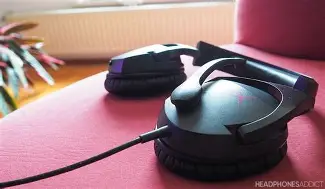
The Cloud Stinger emphasizes simplified design. The frame usually combines plastic with selective metal reinforcements where needed. This keeps weight down while offering enough rigidity for everyday use. The ear cups rotate to lie flat, which is handy when wearing the headset around the neck or when storing it in a backpack. Materials are focused on cost-efficiency: soft foam on the headband and ear pads rather than premium memory foam or leatherette finishes.
In practice the feeling is light and unobtrusive, but the tradeoff is that the headset may feel less robust compared to mid-range models with thicker metal headbands or denser earcup padding. For buyers who frequently travel with a headset or are rough with devices, the Cloud Stinger can endure typical daily handling, but it will likely show wear sooner than higher-tier alternatives.
Comfort and ergonomics
Comfort is one of the Cloud Stinger's strongest selling points. The headset typically weighs less than many competitors, and the padding is soft enough to remain comfortable for extended sessions. The clamping force is modest, which reduces pressure on the temples during long gaming or study sessions. The ear cups’ ability to swivel also helps achieve a better fit for different head shapes.
That said, the ear cushions are on-ear or shallow over-ear depending on the model and may not fully enclose larger ears. Some users report heat buildup during marathon sessions—common in budget headsets with thinner padding. For most people who play 2–4 hours at a stretch, the Cloud Stinger will be comfortable; for very long sessions or people who prefer thick, plush earcups, a step up in price may be warranted.
Audio performance: games, movies, and music
The Cloud Stinger is tuned to meet the needs of gaming first. The midrange is clear enough to make dialogue and in-game voiceovers intelligible, and the tuning typically places emphasis on clarity for footsteps and other competitive cues. This makes it effective for multiplayer shooters and many esports titles where positional audio and clarity are priorities.
When it comes to music and movies, results are mixed. The headset can sound satisfying for pop and electronic genres that thrive on punchy mid-bass, but complex, bass-heavy tracks or highly detailed classical recordings will reveal limitations: a narrower soundstage and less precise low-frequency extension compared with more expensive headphones. Movies sound enjoyable—the headset gives good vocal presence—but audiophiles will notice a lack of depth and refinement.
Microphone quality
The built-in microphone is designed for clarity and convenience. It captures voice clearly enough for Discord calls, online classes, and team-based multiplayer communication. Background noise rejection on many Cloud Stinger variants is passable; the microphone isolates voice reasonably well in quiet to moderately noisy rooms.
Looking for the best Audio & Headphones deals on Amazon?
Browse Now →However, voice recordings are not studio-grade. The mic tends to emphasize the midrange and lacks the full tonal richness and noise suppression of headsets with higher-end boom mics. For streamers, content creators, or professionals who require polished vocal recordings, an external USB microphone or a higher-end headset will be a better investment.
Connectivity and compatibility
One of the Cloud Stinger’s strengths is its straightforward connectivity. Wired versions use a standard 3.5mm connector or split 3.5mm plugs for PC compatibility, making them broadly compatible with PCs, consoles, and mobile devices. This plug-and-play simplicity is attractive to users who want a headset that just works across multiple platforms without drivers or software.
Some Cloud Stinger variants add USB connectors, which may provide small software-driven features, but the core experience remains the wired, low-latency connection. For users who need wireless freedom, this model won’t satisfy; for those who prioritize consistent, lag-free audio it is a practical choice.
Durability and longevity
Durability is acceptable for the price point. The most commonly reported failure points are headband creaking after extended use and earcup foam flattening over many months. The plastic construction can handle daily use, but frequent drops or rough handling will accelerate wear. Buyers who want a headset that lasts multiple years under heavy use should consider a higher-tier model with metal components and replaceable ear pads.
Maintenance and repairability
Replacement parts for budget headsets are less commonly available; however, ear pads can often be swapped with third-party pads, which can extend comfort and refresh the headset's feel. The simple wired design also means there are fewer electronic failure modes compared to wireless headsets. Still, repairs beyond simple pad replacements can be impractical due to the low cost of the headset relative to repair expenses.
Real-World Use Cases
- Competitive multiplayer gaming on a budget: The Cloud Stinger's emphasis on mids and clarity makes it useful for players who need directional cues in shooters without spending much.
- Remote class attendance and group calls: Lightweight comfort and a clear mic make it a functional tool for students and remote workers who attend lectures or meetings.
- Console gaming: Plug-and-play compatibility with controllers and mobile devices makes it a convenient pick for console players who want a simple headset.
- Casual media consumption: Movies and casual music listening are enjoyable, though not refined enough for listeners seeking high-fidelity audio.
Pros & Cons
- Pros:
- Affordable price and strong value for casual users
- Lightweight and comfortable for average-length sessions
- Simple, reliable wired connectivity across platforms
- Clear mids suitable for voice and many gaming cues
- Easy to use—minimal setup and no software required for core functions
- Cons:
- Build materials are basic and may show wear sooner than premium models
- Limited soundstage and bass depth for audiophiles
- Microphone quality is serviceable but not studio-grade
- Earcup padding is thinner than mid-range competitors—can get warm on long sessions
- Not wireless; lacks convenience features some buyers expect
Comparison: Cloud Stinger vs. Common Alternatives
The following table offers a practical, side-by-side look at how the Cloud Stinger stacks up against other accessible headsets. The table focuses on categories that matter to most buyers rather than exhaustive technical specifications.
| Model | Comfort | Sound Character | Mic Quality | Build | Best for |
|---|---|---|---|---|---|
| Cloud Stinger | Good—lightweight, moderate padding | Balanced/clear mids, modest bass | Good for voice chat | Light plastic with selective reinforcements | Budget gamers and students |
| HyperX Cloud II (or similar mid-range) | Excellent—plush padding | Richer bass and fuller soundstage | Very good; more refined | Stronger metal frame | Users wanting comfort and better audio for long sessions |
| Corsair HS-series (entry-mid) | Good—sturdy, comfortable | Warm, gaming-focused | Good; reliable | Durable plastic with metal headband in some models | Budget-conscious buyers who want robust build |
| Logitech G-series (budget options) | Fair to Good—varies by model | Neutral to V-shaped tuning | Fair; decent for chat | Mostly plastic with varying durability | Platform-agnostic budget pick |
Practical Buying Guide: What to Look For
1. Comfort and fit
Comfort should be a primary concern if sessions exceed one hour. Look for headsets with adjustable clamping force, breathable ear cushions, and swivel ear cups. If possible, try a headset on or read multiple user reviews that speak directly to long-session comfort.
2. Microphone requirements
Buyers who do frequent voice recordings, streaming, or podcasting should prioritize microphone quality. A headset mic is convenient, but an external USB/XLR microphone will outperform most headset mics. If voice quality matters, consider upgrading your mic rather than relying solely on a budget headset’s boom mic.
Shop the latest Audio & Headphones picks on Amazon.
See Deals →3. Platform compatibility
Confirm how the headset connects to the intended device(s). A single 3.5mm jack is usually the most compatible option for phones and consoles, while split PC jacks or USB adapters may be necessary for some desktop setups. If a wireless option is needed, a wired Cloud Stinger will not fit the use case.
4. Sound signature and use case
Decide whether competitive clarity or immersive richness is more important. For FPS and competitive titles, a headset that emphasizes midrange clarity and positional cues is better. For single-player titles, movies, and music, a headset with a wider soundstage and deeper bass will enhance immersion.
5. Durability and maintenance
Assess whether the headset has replaceable parts, such as ear pads or detachable cables. Budget headsets that allow pad replacement can extend usable life. If the user travels frequently or expects heavy wear, opt for a sturdier model with a stronger frame.
6. Budget and value
Consider what tradeoffs are acceptable at the chosen price. The Cloud Stinger represents a balance of affordability and functionality; understanding the likely compromises—build longevity, ultimate audio fidelity, and mic refinement—helps set realistic expectations.
When to Choose the Cloud Stinger
Choose the Cloud Stinger if the priority is a low-cost, lightweight headset that reliably handles voice chat and delivers serviceable in-game audio. It is an excellent choice for casual gamers, students attending online classes, or anyone who needs an easy, no-frills audio headset that works across multiple devices.
When to Look Elsewhere
Avoid buying the Cloud Stinger if any of the following apply: long daily sessions that demand thicker padding and maximal comfort; a need for high-fidelity music listening; a requirement for top-tier microphone quality for streaming or content creation; or if the buyer prefers wireless convenience. In these cases, spending more yields noticeable improvements in materials, audio refinement, and feature set.
Conclusion
The Cloud Stinger is a pragmatic, budget-oriented headset that performs exactly in the space it targets: accessible, comfortable enough for moderately long sessions, and tuned for clear in-game voice cues. It excels where value and simplicity are the priorities. However, those who place a premium on build longevity, audiovisual fidelity, or broadcast-quality microphones should view it as an entry-level stopgap rather than a permanent solution. Ultimately, the Cloud Stinger is worth buying when its limitations are aligned with the buyer’s expectations and use cases; buyers who require more should evaluate mid-range alternatives that prioritize comfort and audio precision.