The Truth About the Mous Charging Station With Qi2: Pros, Cons, and Verdict
Wireless charging has matured from a convenience to an expectation for many smartphone users. With the arrival of the Qi2 standard, which formalizes magnetic alignment and improved interoperability across manufacturers, several accessory makers refreshed their lineups to take advantage of the standard's promise: easier alignment, faster and more reliable charging, especially on devices designed for magnetic wireless charging. The Mous Charging Station With Qi2 is one such product. This article examines what the Mous Charging Station delivers in practice: its design, daily use, performance, compatibility, and whether it represents a sensible buy for typical mobile-phone buyers.
Introduction: What the Mous Charging Station With Qi2 Aims to Solve
The primary aim of a Qi2-optimized charger is to combine the simplicity of coil-to-coil wireless power transfer with the repeatable alignment offered by magnetic attachment systems. Users want their phone to snap into place on a dock and charge reliably without fiddling with placement or removing a protective case. The Mous Charging Station With Qi2 positions itself as a refined, everyday charging solution for people who want that “snap-and-go” convenience while retaining broad compatibility with Qi-enabled devices.
Design and Build Quality
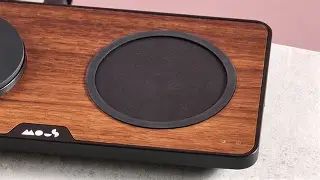
Design matters for something that lives on a nightstand or desk. The Mous Charging Station With Qi2 typically follows a minimalist, low-profile aesthetic that prioritizes stability and a reasonable footprint. The build often uses a mix of matte plastic and soft-touch materials to minimize slip and surface scratches. The base is weighted to keep the dock from sliding when a phone connects or disconnects.
Key design considerations that buyers notice in real-world use:
- Magnetic alignment: A magnetic ring or array is integrated into the pad to center compatible phones automatically.
- Stand vs. flat pad: Some Mous stations come as upright stands to maintain a usable screen angle for video calls or notifications, while others are flat chargers for pockets or nightstands.
- Port selection: Expect at least a USB-C power input; higher-end models may add a pass-through USB-A or an additional USB-C for peripheral charging.
- Size and footprint: The Mous design typically balances a compact footprint with a wide-enough charging surface to accept larger phones and small cases.
Setup and First Impressions
Setting up the Mous Charging Station With Qi2 is straightforward. A user connects a USB-C cable and a power adapter that meets the manufacturer’s recommendations. For the smoothest experience, a power adapter that supports USB Power Delivery (PD) and provides adequate wattage is advisable; using undersized adapters will limit charging rates and can cause the charger to behave inconsistently.
Out of the box, the key impressions are usually:
- The phone magnetically snaps into an aligned position with little effort.
- LED indicators (when present) show charging status; however, some users prefer fewer lights for a cleaner bedside experience.
- Case compatibility is good with thin to medium protective cases, but very thick or metal-backed cases may reduce magnetic contact and charging efficiency.
Charging Performance and Real-World Behavior
Performance is central: how quickly and reliably does the Mous Charging Station charge a device, and how does it compare to wired charging? In real-world scenarios, Qi2-optimized magnetic chargers tend to offer improved alignment over standard Qi pads, which reduces interruptions and increases effective charging time overnight or during work breaks.
Real-world observations buyers care about include:
- Consistency: The station reliably maintains a connection when phones are properly aligned. For devices designed with magnetic charging in mind, the “snap” is firm and repeatable.
- Heat management: Wireless charging converts energy less efficiently than wired charging, so heat is generated. The Mous Charging Station typically includes thermal management strategies—venting, throttled charging, or intermittent feedback—that reduce overheating events. However, expect the phone and charger to run warmer than when using a cable, particularly during higher-rate charging sessions.
- Speed vs. cable: Wireless remains slower than the fastest wired PD or proprietary fast-charging protocols, and charging time depends on device capability, case, and the adapter used. For many users, overnight wireless charging remains sufficient.
- Interruption tolerance: Magnetic alignment reduces accidental misplacement and the resulting charge interruptions. This matters for overnight charging or when using the phone on a nightstand alarm.
Compatibility and Case Considerations
One of the advantages touted for Qi2 devices is improved interoperability between manufacturers. The Mous Charging Station With Qi2 is designed to work best with devices that explicitly support the Qi2 standard. That said, it remains backward compatible with legacy Qi phones and accessories, though without magnetic alignment in devices that lack a compatible magnet array.
Buyers frequently ask whether their case will work. Common case-related realities include:
Find top-rated Mobile Phones products at great prices.
Shop Amazon →- Thin engineered cases (up to a few millimeters) generally allow magnetic attachment and charging without removal.
- Thicker cases, wallet cases, or cases with metal components can block magnetic coupling or wireless power transfer entirely.
- Magnetic accessories such as card wallets or metal mounts placed between phone and charger will typically prevent correct operation.
Durability and Long-Term Use
Durability is about materials and internal electronics. The Mous Charging Station tends to use quality plastics and finishing to resist yellowing and surface wear. The most likely long-term failures are from power connectors after heavy cable handling or from overheating if used with inadequate adapters. Users who travel frequently should verify cable strain relief and connector robustness.
Real-World Use Cases
Examining how users actually use the Mous Charging Station helps determine suitability:
- Nightstand charging: Users who prefer placing their phone on a bedside stand like the upright variant. It provides a convenient view for alarms and notifications and keeps charging consistent overnight.
- Work desk: For desk use, a stand that keeps the screen angled is useful for quick glances and video calls while charging. Magnetic alignment prevents slips that cause charge interruptions during focused work.
- Shared households: A simple dock removes the fuss of cable swapping among family members who own different device models, provided each supports Qi or Qi2.
- Travel: Compactness and a foldable design (where offered) makes it a practical addition to a travel kit; travelers should pack a suitable USB-C PD adapter to get the best performance.
Pros & Cons
- Pros
- Strong magnetic alignment reduces placement fiddling and missed charge cycles.
- Minimal, sturdy design that fits nightstands and desks without dominating space.
- Good compatibility with Qi2-enabled devices and backward compatibility with Qi.
- Convenient for daily snap-and-go charging and maintaining screen usability while the phone charges.
- Fewer cables to manage — contributes to cleaner surfaces and simpler shared charging.
- Cons
- Wireless charging remains slower than the fastest wired solutions; power-hungry users may prefer wired for quick top-ups.
- Case compatibility varies — some bulky cases or metal-backed cases will not work without removal.
- Can run warmer than wired charging methods; thermal throttling may reduce charge rates in some situations.
- Requires a good USB-C PD adapter to reach advertised performance; cheaper adapters will limit charge speed.
- Single-device chargers are less useful for households seeking a consolidated multi-device dock.
How the Mous Charging Station With Qi2 Compares
Below is a concise comparison of the Mous Charging Station With Qi2 against a few logical alternatives a buyer might consider. This table focuses on practical attributes that matter when choosing a charger for daily use.
| Charger | Best for | Alignment | Compatibility | Case Compatibility | Portability | Price Tier |
|---|---|---|---|---|---|---|
| Mous Charging Station With Qi2 | Everyday single-device charging with magnetic alignment | Magnetic (Qi2-optimized) | Qi2 devices, backwards to Qi | Works with thin-to-medium cases; thick/metal cases may block | Moderate — compact but requires adapter | Mid |
| Apple MagSafe Charger (or similar) | Apple users who prioritize ecosystem compatibility | Magnetic (proprietary/MagSafe) | Best with compatible iPhones; limited for others | Designed for slim iPhone cases | High — very compact | Mid to high |
| Generic Qi2 Flat Pad | Budget magnetic charging and wide device support | Magnetic depending on model | Qi2 and Qi (varies by model) | Variable; many require thin cases | High — very portable | Low |
| Multi-Device Wireless Dock | Charging phone, earbuds, and smartwatch together | Mixed: magnetic for phone, dedicated coils for others | Depends on each device's standard | Usually limited; phone must be aligned | Low — larger footprint | Mid to high |
Buying Guide: What to Check Before Purchasing
When evaluating the Mous Charging Station With Qi2 or any magnetic wireless charger, buyers should consider the following checklist items to ensure the accessory meets their needs:
1. Device Compatibility
Confirm the phone supports Qi or Qi2 magnetic charging. While Qi2 brings broader magnetic interoperability, not all phones or cases support it. Check the phone manufacturer's documentation if unsure.
2. Power Adapter and Cable
A charger’s performance depends heavily on the power adapter used. Look for a USB-C PD adapter from a reputable brand and the wattage range recommended by the accessory maker. Using the wall adapter that ships with many recent phones is often a safe starting point.
3. Case Thickness and Materials
Assess the case in use. If the case contains metal plates, magnets, or is particularly thick, it can interfere with both magnetic alignment and wireless power transfer. Many buyers who want a seamless magnetic experience choose a thinner case or a Mous case variant engineered for magnetic compatibility.
4. Heat Management
Wireless charging generates heat. Look for chargers with thermal protection and consider usage scenarios: continuous high-rate charging may cause thermal throttling. If the phone is used heavily while charging (gaming, streaming), wired charging will remain more efficient.
5. Intended Use: Nightstand, Desk, or Travel
Choose form factor based on how the charger will be used. A stand is ideal for desks and nightstands where the screen should remain visible; a flat pad suits travel or low-profile nightstands. Foldable or compact designs are better for frequent travelers.
Looking for the best Mobile Phones deals on Amazon?
Browse Now →6. Build Quality and Warranty
Inspect materials, connector quality, and manufacturer warranty terms. A longer warranty and clear customer support channels are particularly useful for electronics that live plugged in and are handled daily.
7. Ecosystem Needs
Consider whether a unified charging solution is desired. Households with multiple device types (phone, earbuds, smartwatch) might prefer a multi-device dock. A single-device Qi2 station is ideal for those who value a focused, reliable phone charging experience.
Typical Buyer Profiles: Who Should Consider the Mous Charging Station
The Mous Charging Station With Qi2 suits several buyer types:
- Casual phone users: Those who prefer placing their phone down and having it charge overnight without fuss.
- Desk workers: People who want a tidy desk and an angled display for notifications or video calls while the phone charges.
- Qi2 adopters: Owners of phones that support the Qi2 standard who want magnetic alignment across non-proprietary accessories.
Conversely, it may be less suitable for:
- Power users who frequently need rapid top-ups and rely on the fastest wired charging.
- Users with thick or metal-backed cases who do not want to remove them regularly.
- Households that want a single dock for multiple device types, unless a multi-device variant is chosen.
Conclusion
The Mous Charging Station With Qi2 represents a pragmatic step forward for users who want the ease of magnetic alignment without committing to a single manufacturer's ecosystem. In daily use it delivers convenient, consistent placement and reliable overnight charging for Qi2-capable phones, while remaining broadly compatible with older Qi devices. Its design and build quality typically align with buyer expectations for a mid-range accessory: stable, tidy, and reasonably compact.
However, buyers should maintain realistic expectations. Wireless charging remains slower than wired solutions, heat management can influence real-world performance, and case compatibility is an important variable. The station performs best for users who prioritize convenience and desk or nightstand ergonomics over raw charging speed. For those who require multi-device charging or ultra-fast top-ups, alternative solutions may be preferable.
Ultimately, the Mous Charging Station With Qi2 is a solid choice for people who value simplicity and reliability in everyday charging. It answers common pain points—alignment and ease of use—while leaving the fastest wired charging and multi-device consolidation to other products. Buyers who check compatibility with their phone and case, and who invest in a recommended USB-C PD adapter, will get the most consistent experience from the Mous Charging Station With Qi2.