Ulefone Armor 29 Ultra Review: Real User Experience After 3 Months
Introduction
I've been using the Ulefone Armor 29 Ultra as my day-to-day phone for the past three months. I bought it because I needed a device that could survive a rough job site, occasional hikes, and the usual chaos of life with kids — while still doing the basic smartphone things well. What I found was a genuinely rugged phone that leans into practicality over glamour: it’s hefty, unapologetically robust, and designed for people who prioritize durability and battery life over a feather-light design or the very latest camera bells and whistles.
What I tested and how
During these three months I used the Armor 29 Ultra as my primary device: calling, messaging, navigation, social apps, some light gaming, photography for family snapshots, and frequent outdoor use. I paired it with Bluetooth headphones, used Wi‑Fi and mobile data heavily, and put it through wear-and-tear that included accidental drops from pocket height, getting splashed and wet while hiking, and a short dunk during an on-the-job mishap (the phone was in a sealed pocket). I also charged it daily in a fast-paced schedule and ran battery drain tests with screen-on video playback plus a mix of app usage.
Design and build: Built like a tank
First impressions: this is a heavy phone. I noticed that immediately. It’s thicker and denser than mainstream glass-and-metal flagships, but that weight is part of what gives it confidence — it feels like a tool, not a toy. The Armor 29 Ultra has grippy textured sides, reinforced corners, and robust port covers that actually stay put. I appreciated the physical buttons: a programmable key that I set to launch the flashlight (handy when my hands are muddy), and big volume/power buttons I can feel with gloves on.
That said, the bulk affects one-handed comfort. I was able to use it in a single hand for short tasks, but extended texting or one-handed web browsing got tiring. If you’re used to thin phones, expect an adjustment period.
Durability in real use
In my experience the Armor 29 Ultra stands up to real-world roughness. After multiple drops onto concrete and gravel from waist height, the phone showed only minor scuffs; no functional problems. I also tested water resistance by allowing the phone to get drenched in a sudden rainstorm and accidentally submerging it for a short time; touchscreen and speakers continued to work fine. The reinforced design and secure flap covers gave me confidence keeping it in my work gear.
Display: Practical, readable, not flashy
The screen is bright enough for outdoor use, which matters most for me. I frequently use maps and check messages outside, and the display stays legible under sunlight with a decent auto-brightness curve. The color rendering is fine for everyday tasks, though it’s not as punchy as high-end OLED panels. If you’re into streaming HDR content and expect the deepest blacks, you’ll notice the difference.
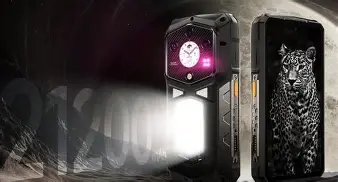
I also noticed the touch responsiveness is slightly different when my hands were wet — not a dealbreaker but worth noting for people who work in the elements. The protective/glass layer is thicker than usual, which adds to the tactile firmness but makes the screen less "glass-smooth" than mainstream phones.
Performance: Solid for daily use, cautious with gaming
Under normal conditions the Armor 29 Ultra handles navigation, social apps, video playback, and multitasking without drama. App launches are acceptably quick and switching between a few apps is smooth. However, when I pushed it — heavy background sync, large downloads, and graphic-heavy games — the phone heated up noticeably and frame rates dipped. I play a few moderately demanding mobile games; I could play them, but with lower graphics settings to keep things stable.
Find top-rated Laptops & Computers products at great prices.
See Deals →In short: for work tasks, navigation, media, and casual gaming the performance is fine. If you want a phone to be a high-frame-rate gaming machine, this isn’t the ideal choice.
Battery life: A clear win
Battery life is where the Armor 29 Ultra really shines for me. With my mix of navigation, intermittent camera usage, messaging, and music streaming over Bluetooth, the phone comfortably lasted a full day and then some. On heavy days with extended GPS navigation and background uploads, I saw about 36–48 hours. On moderate use days (a few hours of screen time, calls, messages) I stretched to nearly three days before needing a charge.
Charging behavior: I usually charged overnight with the provided charger. The phone does not match the absolute fastest charging speeds of flagship phones, but it charges reliably and within a reasonable window. I appreciated that I didn’t have to hunt for a power bank mid-hike or mid-shift.
Cameras: Serviceable day-to-day shooter
Camera performance is mixed. In daylight the main camera takes perfectly usable photos — good enough for family photos, worksite documentation, and social media. The images are straightforward: decent detail, natural colors, and acceptable dynamic range. Low-light shots, however, are where I felt the limitations: noise and softness creep in, and night shots lack the clarity I see on mid‑to‑high-end mainstream phones.
The ultrawide or macro options (if present) are usable for occasional shots but don’t replace a dedicated camera if you care about image quality. Selfies are fine for video calls and quick snapshots, but again, not class-leading.
Software and updates: Practical, with room for improvement
The phone ships with a clean-ish version of Android plus some utility apps geared toward rugged use — things like a toolbox app, a dedicated flashlight shortcut, and work-oriented utilities. I noticed a couple of manufacturer apps that felt unnecessary, but they were removable or could be ignored. System navigation felt close to stock Android, which I prefer.
About updates: in three months I received regular security updates and bug fixes, but I haven’t seen a major OS upgrade yet. If long-term OS version upgrades are critical to you, consider that rugged-device manufacturers often prioritize stability and security patches over rapid OS version pushes. In my experience, that trade-off is acceptable for a device built for reliability in tough environments.
Find top-rated Laptops & Computers products at great prices.
Shop Amazon →Connectivity, audio, and sensors
Signal reception has been good in my area; I didn’t notice dropped calls any more frequently than I do with other phones. Bluetooth pairing with headphones and car systems was reliable. The single bottom-firing speaker gets loud enough for podcasts and navigation prompts, but it’s not hi‑fi; highs can be harsh at maximum volume.
Fingerprint unlock is quick and accurate — I used it far more than face unlock because of dust and masks. GPS lock was fast and stayed stable during hikes, which is important for me when I rely on offline maps and record routes for work checks.
Things I liked and things that bothered me
- What I appreciated: Seriously robust build quality, excellent battery life, a usable display outdoors, and practical physical buttons and programmable key.
- What bothered me: It’s bulky and heavy for one-handed use; camera performance in low light is mediocre; the screen isn’t as color-rich as high-end OLEDs; and while software is mostly clean, there are a few removable preinstalled apps.
Pros & Cons
- Pros
- Excellent battery life for multi-day use
- Very sturdy build — survives drops and wet conditions
- Practical physical buttons and a programmable key
- Readable display outdoors
- Solid GPS and connectivity for outdoor/navigation use
- Cons
- Bulky and heavier than mainstream phones
- Low-light camera performance is underwhelming
- Not the best option for high-end gaming or ultra-smooth animations
- Some preinstalled utility apps that may be unnecessary
How it compares (quick table)
| Model | Durability | Battery | Display (outdoor) | Camera (low light) | Typical use-case fit |
|---|---|---|---|---|---|
| Ulefone Armor 29 Ultra | High — reinforced corners, port covers | Very long — multi-day mixed use | Good — readable in sunlight | Average — daylight okay, noisy in low light | Field work, hiking, construction, long trips |
| Ulefone Armor (previous generation) | High — similar rugged focus | Good — lasting a day to two | Decent — but slightly dimmer | Average to below average | Reliable rugged use with slightly older hardware |
| Competitor rugged mid-range (example) | High — similar IP/ MIL ratings | Variable — some have larger batteries, some smaller | Varies — some prioritize brightness, others battery | Varies — some have better camera tuning | Choice depends on trade-offs: weight vs camera vs battery |
Buying guide: Is the Armor 29 Ultra right for you?
If you’re reading this, you probably care about durability and battery life. Here’s how I’d break it down based on my three months of using this phone.
Consider the Armor 29 Ultra if:
- You work outdoors or in environments where phones are likely to get wet, dropped, or dusty.
- You prioritize multi-day battery life and reliable GPS over thinness and flagship camera performance.
- You want large tactile buttons and a phone that feels like a tool rather than a delicate consumer device.
- You need a reliable phone for navigation, documentation, and communications without daily charging anxiety.
Look elsewhere if:
- You want the best possible camera in all lighting conditions — especially night photography.
- You prioritize a light, pocket-friendly device or ultra-smooth gaming performance with the highest FPS settings.
- You prefer the absolute latest mainstream software updates as soon as they arrive.
Accessories and practical tips
I recommend getting a simple screen protector to preserve the thick front glass from cosmetic scratches and a quality USB-C cable that seals well with the port cover. If you plan to use Bluetooth headsets a lot, pairing with a couple of well-reviewed buds eliminated any audio lags for calls and podcasts. I also found the programmable key useful — I set it to a quick-access flashlight because there are many times I need hands-free light outside.
Final thoughts and conclusion
After three months with the Ulefone Armor 29 Ultra, I can say it does exactly what it promises: a rugged, dependable smartphone that prioritizes battery life and survivability. In my experience it performed admirably in real-world rough conditions, and the battery endurance changed how I plan longer trips and busy workdays. The trade-offs are clear — it’s bulky, the camera is solid but not class-leading at night, and it won’t compete with flagship devices on raw performance or screen finesse.
If your life requires a phone that won't let you down in bad weather, on a job site, or on a long hike, the Armor 29 Ultra is an honest choice that delivers practical value. If what you want is the slimmest phone, top-tier low-light photography, or the punchiest display, you’ll have to weigh those priorities and possibly look toward mainstream flagships instead. For me, the Armor 29 Ultra has been a dependable companion — a phone I could trust to work while I focused on the job at hand.